
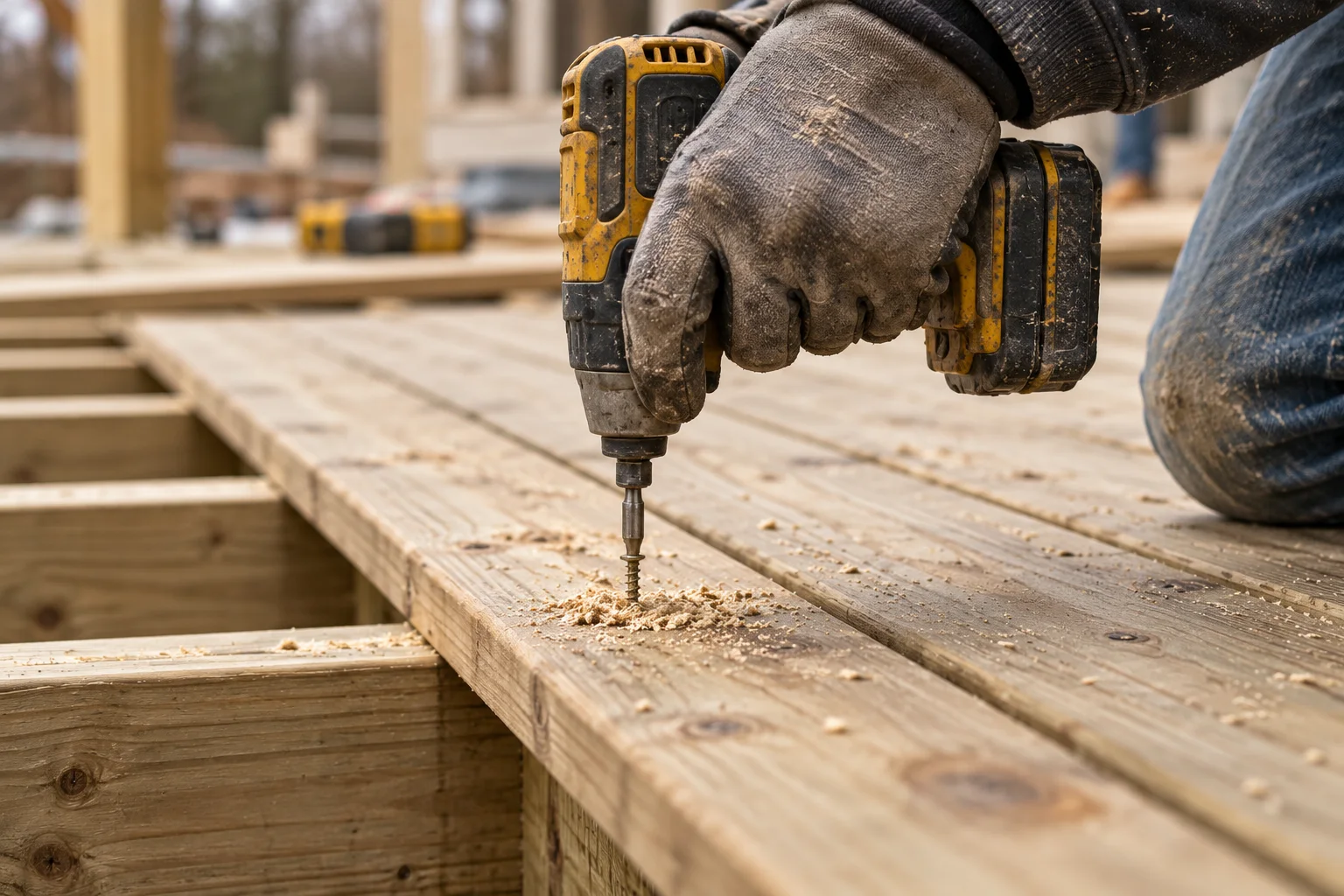
Meet the homeowner between inspiration and a buildable project.
A saved backyard photo is a starting point, not a complete scope. Deck buyers may still be comparing wood and composite, the size of the space, railings, stairs, shade, and how everything connects to the home. Marketing should help them understand your offer while leaving room for the design conversation.
We focus the search strategy on homeowners looking for a builder and give them a relevant place to land. New decks, replacement, resurfacing, and pergolas should be presented accurately. We organize ads around the services and materials your crew installs.
Make the portfolio answer more than “does it look good?”
Strong project pages explain how the finished space is used. Alongside real photos, describe the starting brief, material choices, layout, stairs, railings, and any shade structure your team actually installed. Identify what is existing and what is new when that distinction matters.
We build project pages around your portfolio, materials, and installation process. Homeowners can compare the spaces you build and arrive at the consultation with a clearer idea of what they want.
Keep pergola and deck decisions connected without confusing them.
A pergola can be part of a larger deck project or a separate installation. Buyers may ask about shade, privacy, materials, placement, and how the structure relates to an existing patio. Deck buyers may have more questions about replacement, access, railing, and material selection.
The website should explain which combinations you offer and provide a direct path to each. A dedicated pergola page makes sense when there is enough distinct work, proof, and buyer information to support it. Your quote process should also explain when site assessment, design choices, and any applicable approval questions are addressed, using your real operating process.
Follow the project through a longer decision.
Not every suitable homeowner is ready to schedule a site visit on the first call. Some need to align the scope, household priorities, and timing before choosing a builder. A clear follow-up process helps your team distinguish a future project from an unsuitable inquiry.
Capture the location, project type, timing, and preferred contact details first. Then record the consultation, design or estimate stage, proposal, and accepted project as appropriate to your workflow. Follow-up should be relevant and respect the homeowner’s contact preferences. Measuring those stages shows where a conversation is stalling before you assume more traffic is the answer.