
Make your concrete specialty clear from the first search.
Concrete searches cover far more than one type of contractor. Ready-mix suppliers, foundation companies, decorative installers, repair services, and homeowners researching a DIY pour can all appear around broad terms. A page for everything makes it harder to show homeowners, and Google, what you do best.
We begin with your actual scope. Residential driveway replacement, new patios, walkways, and stamped finishes can each need different search terms, photos, and qualification. Structural work, commercial projects, coatings, or repairs only belong in the plan when you provide them. The goal is a clear match between the search, the page, and the estimate your team can deliver.
Explain what makes two concrete estimates different.
A homeowner sees the finished surface; your team sees the preparation and access needed to build it. Your website can make that difference understandable without turning into a technical manual. Describe the services included in your process and the site conditions your estimator needs to assess.
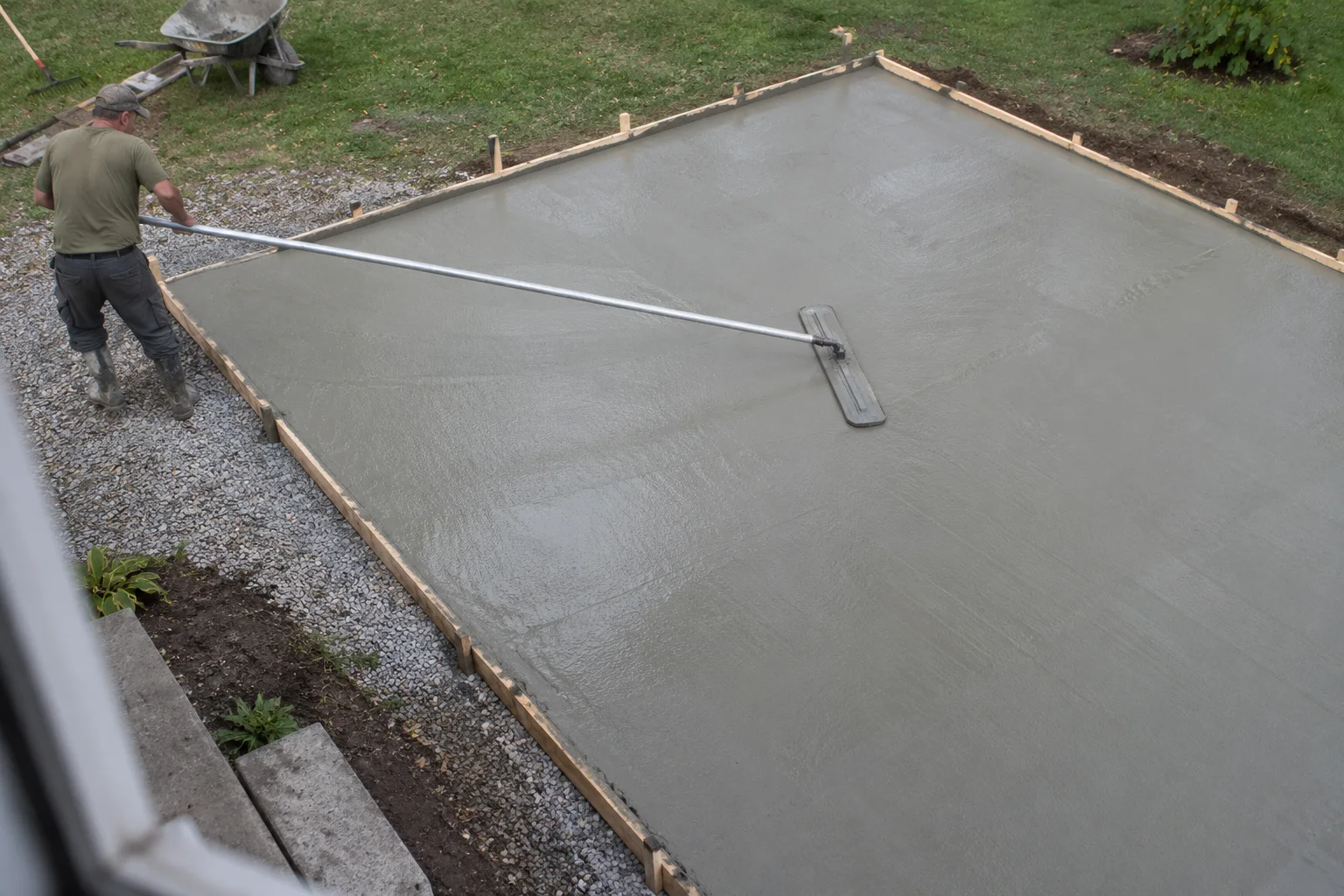
For replacement work, that may include removal, haul-away, access, grading, and the selected finish. Use verified project details and real photographs of both preparation and finished work. Explain which decisions are confirmed at the site visit.
Show the right finish to the right buyer.
Someone replacing a cracked driveway may prioritize a straightforward estimate and a clear plan for access. Someone considering a stamped patio may want to compare patterns, borders, colors, and how the surface connects with the rest of the yard.
Those visitors can share your website without sharing the same landing page. We organize the content around the project they are considering and make the next action clear. Driveway visitors see driveway projects; decorative concrete buyers see finishes, patterns, and patio layouts.
Connect demand with estimating and pour capacity.
An inquiry needs a practical handoff: who receives it, who responds, what qualifies for a site visit, and how the outcome is recorded. Useful early details include location, project type, approximate size if known, replacement or new work, and timing.
We connect the source to the inquiry, estimate, and accepted job where your systems allow it. Review rejected leads and unsold estimates alongside booked work. That helps distinguish a targeting problem from a scheduling or follow-up problem. Marketing focus should reflect crew capacity and the work you want to schedule.